
Why Nodpod Sleep Masks Have a Cult Following

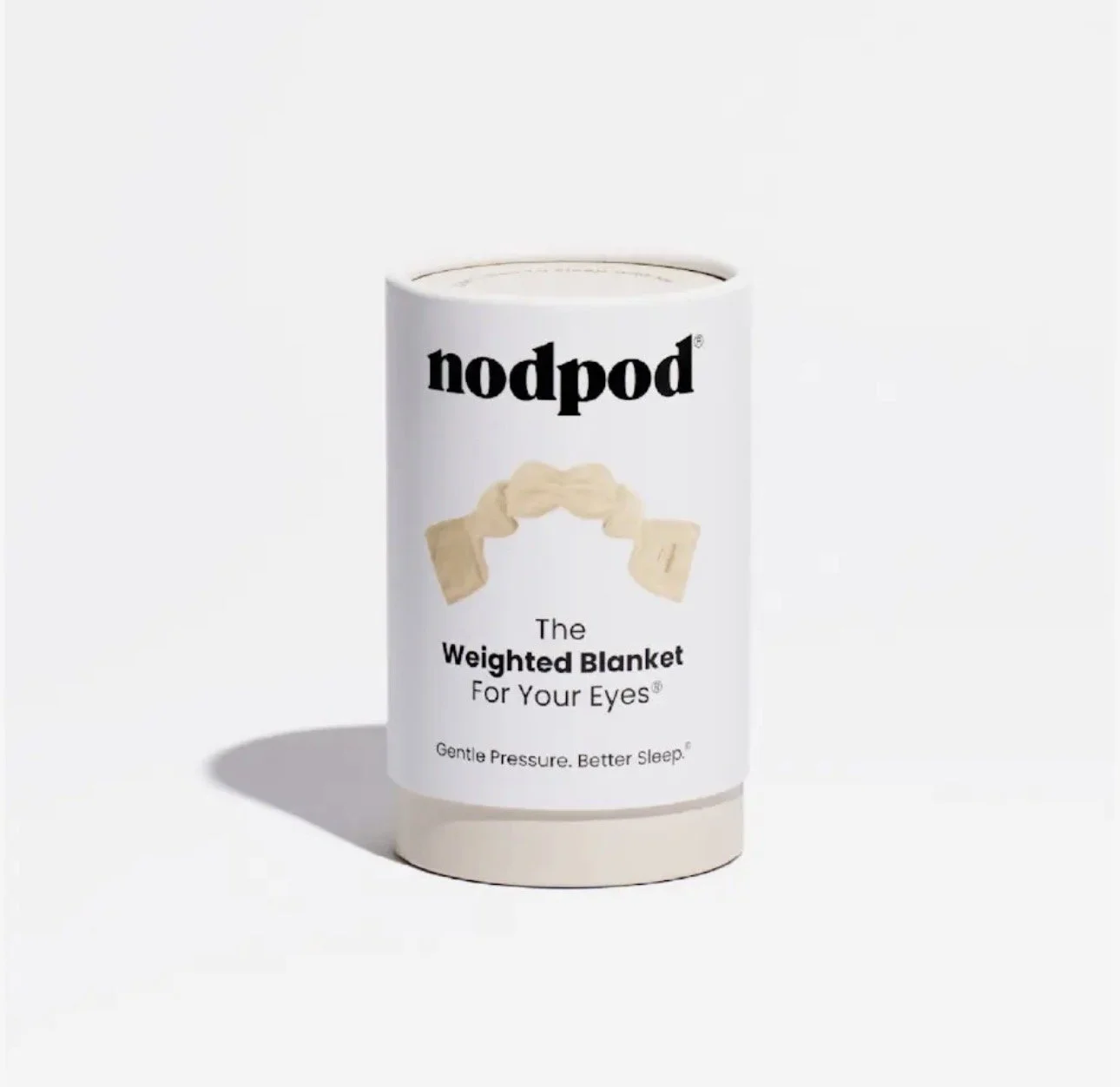
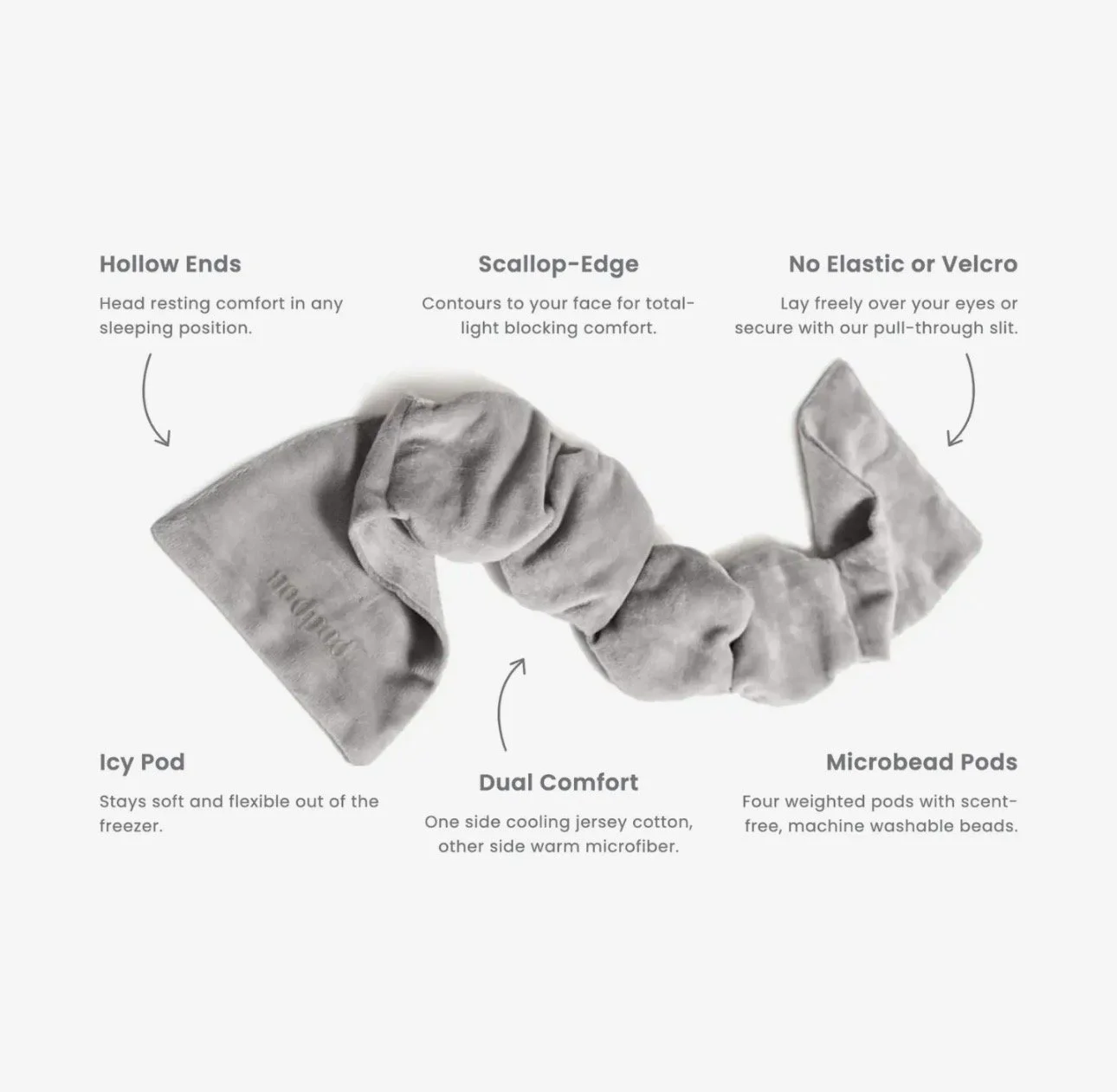
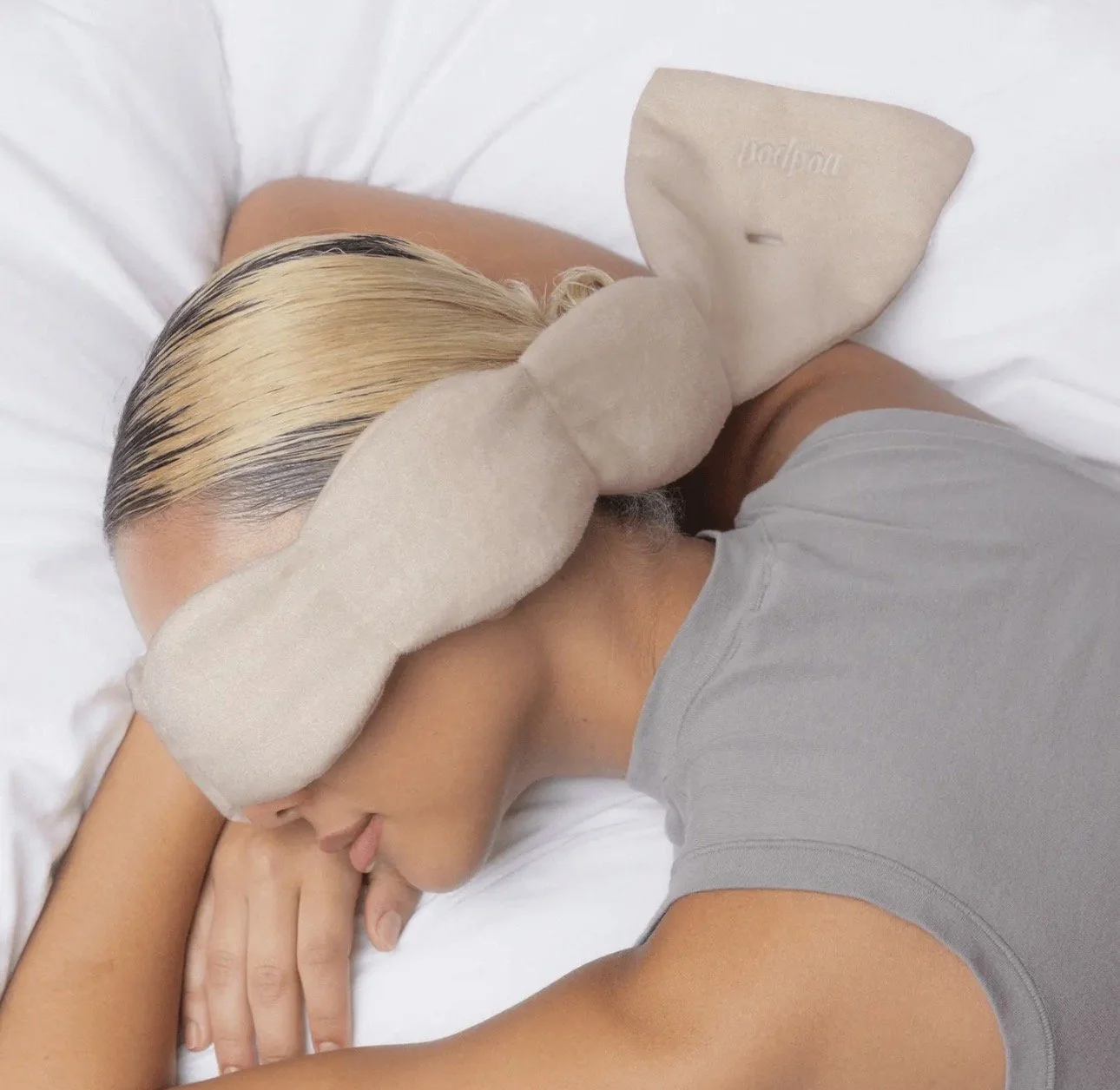
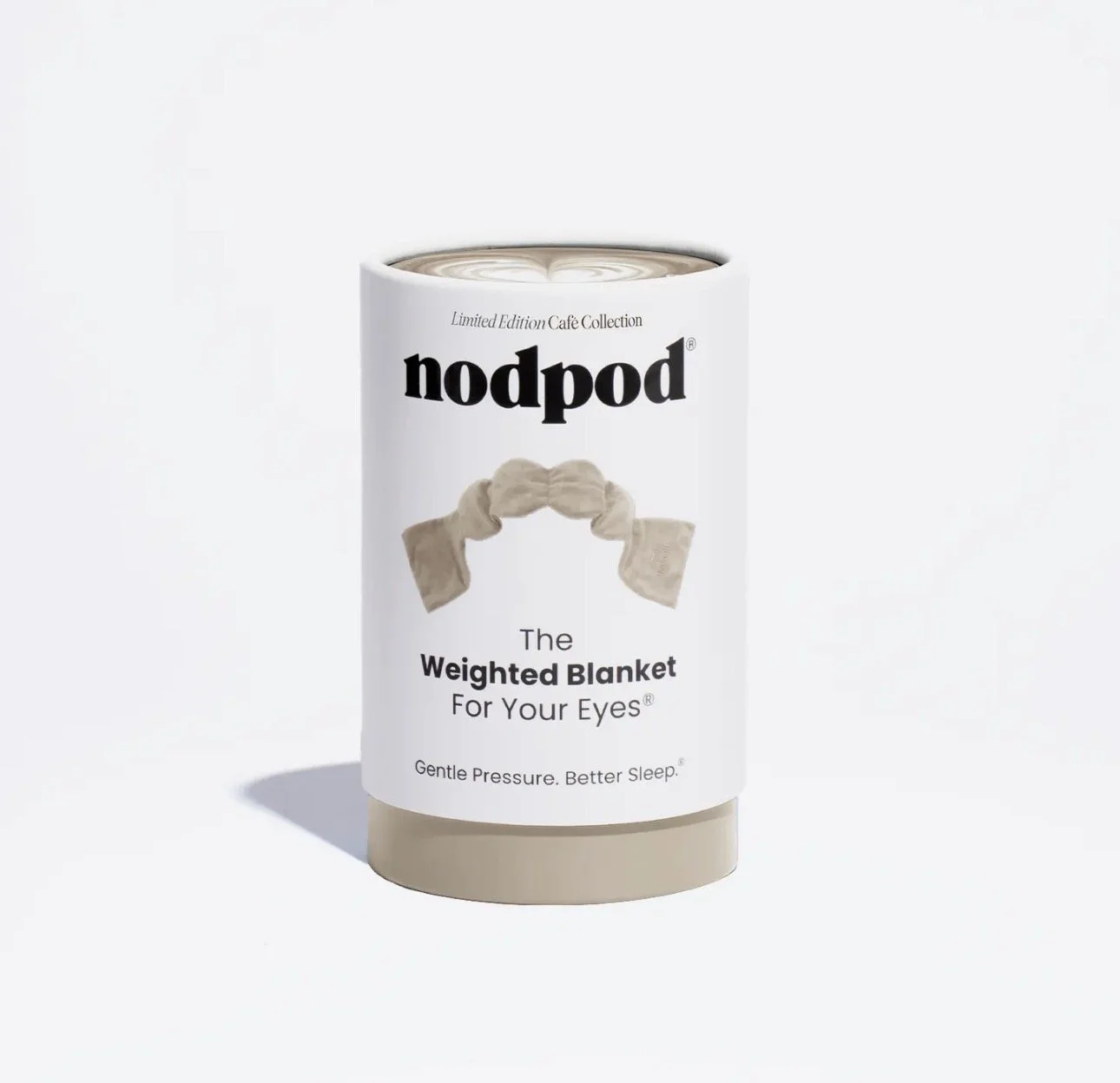

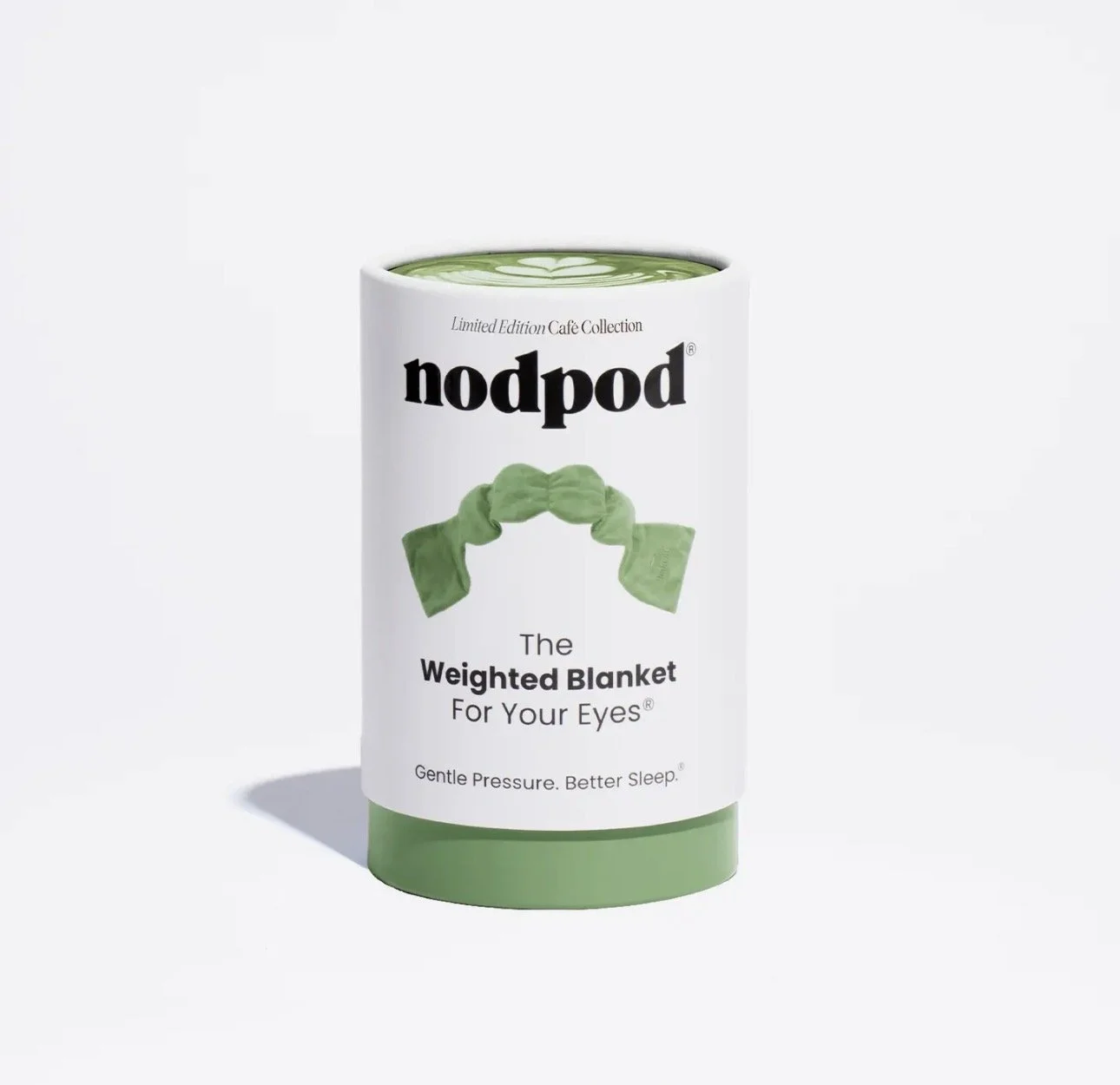
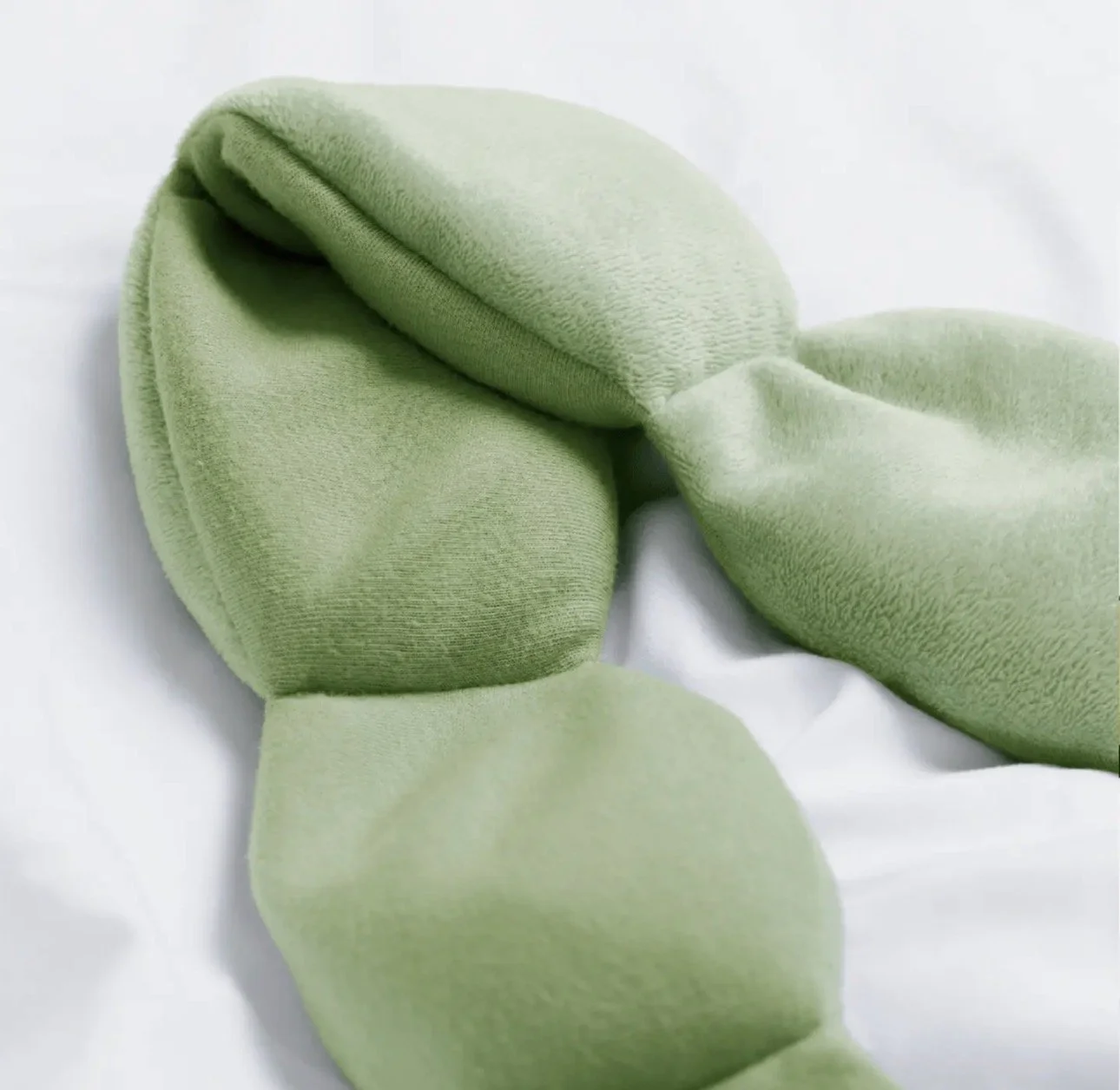
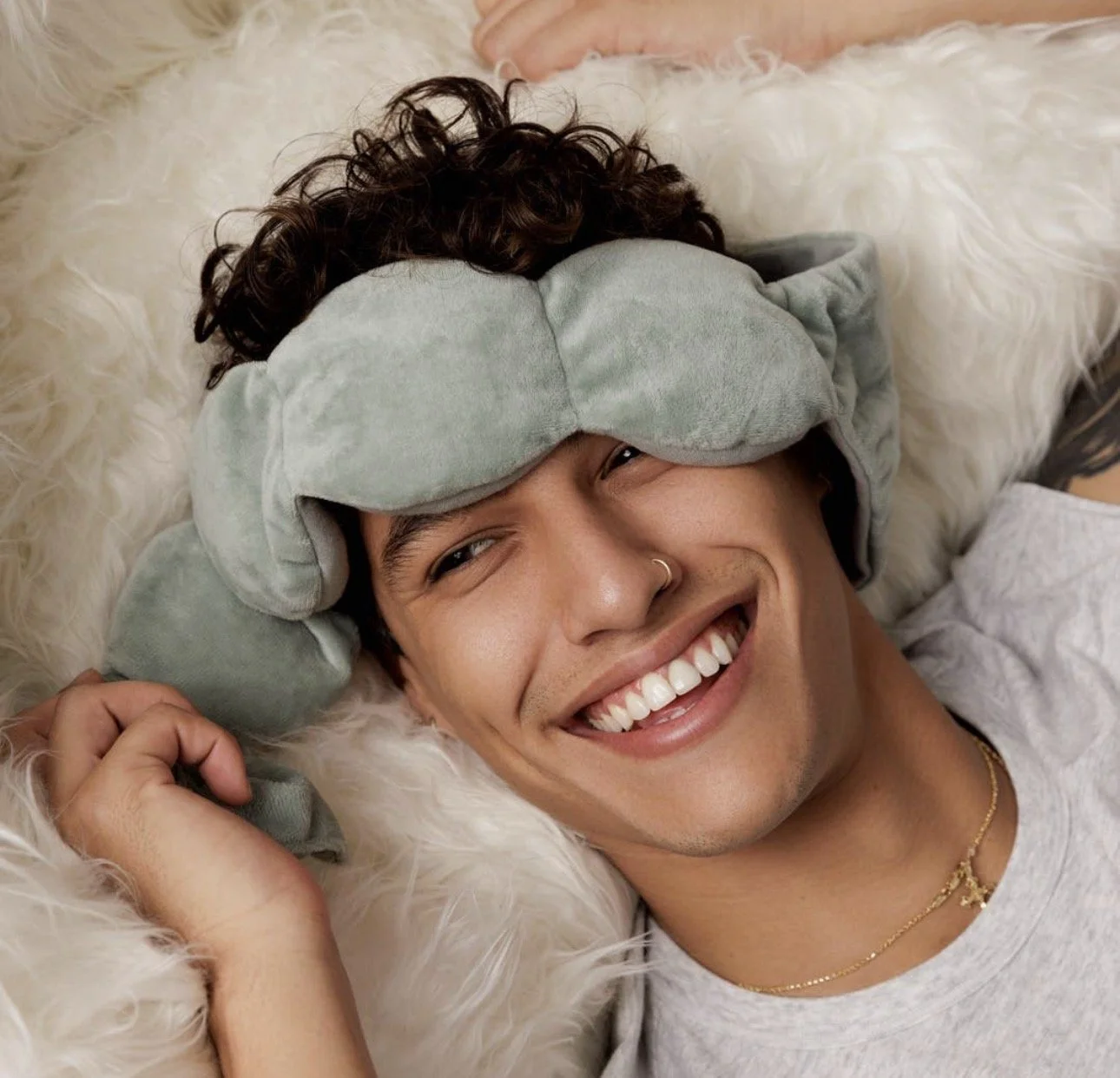
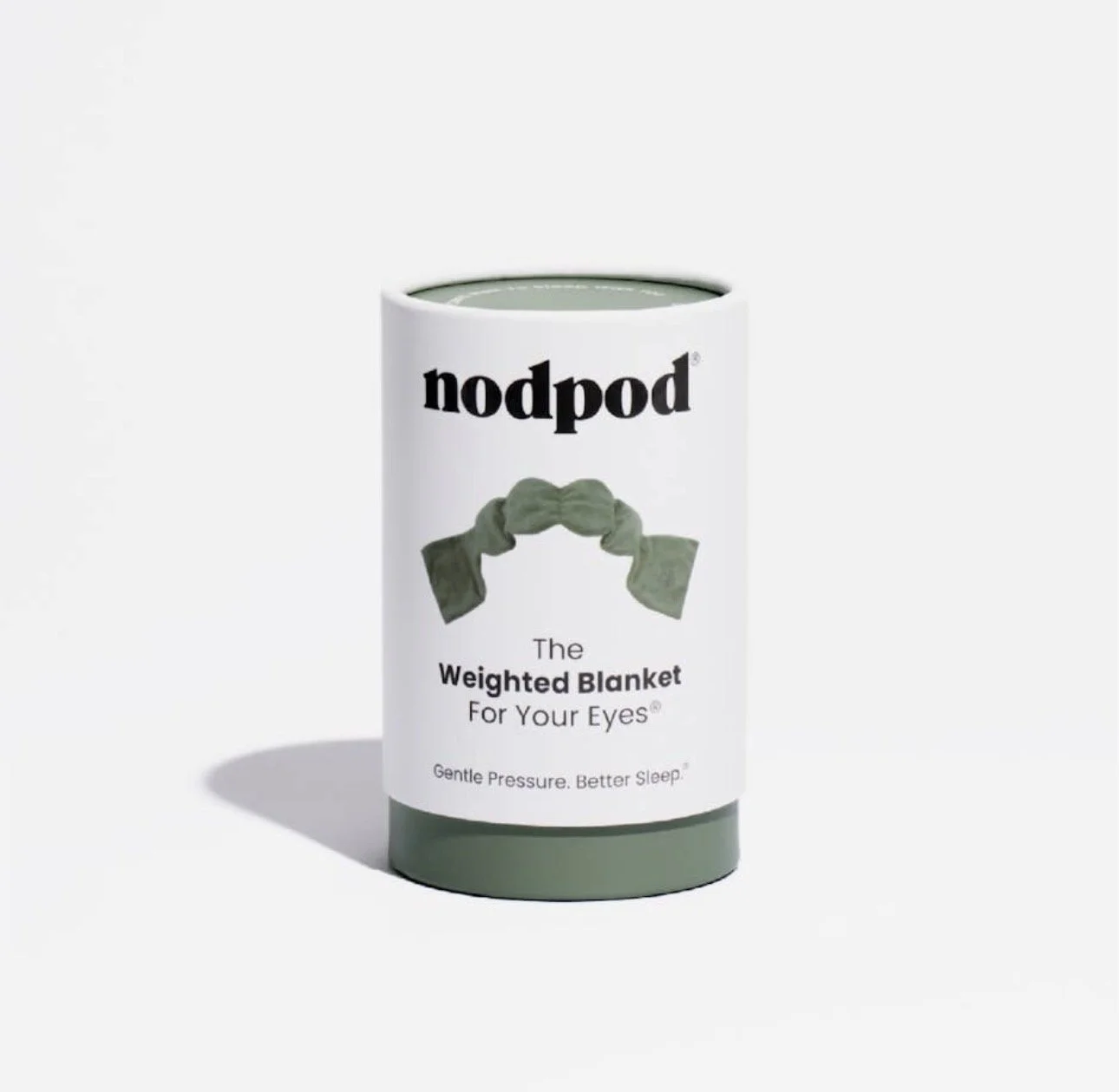
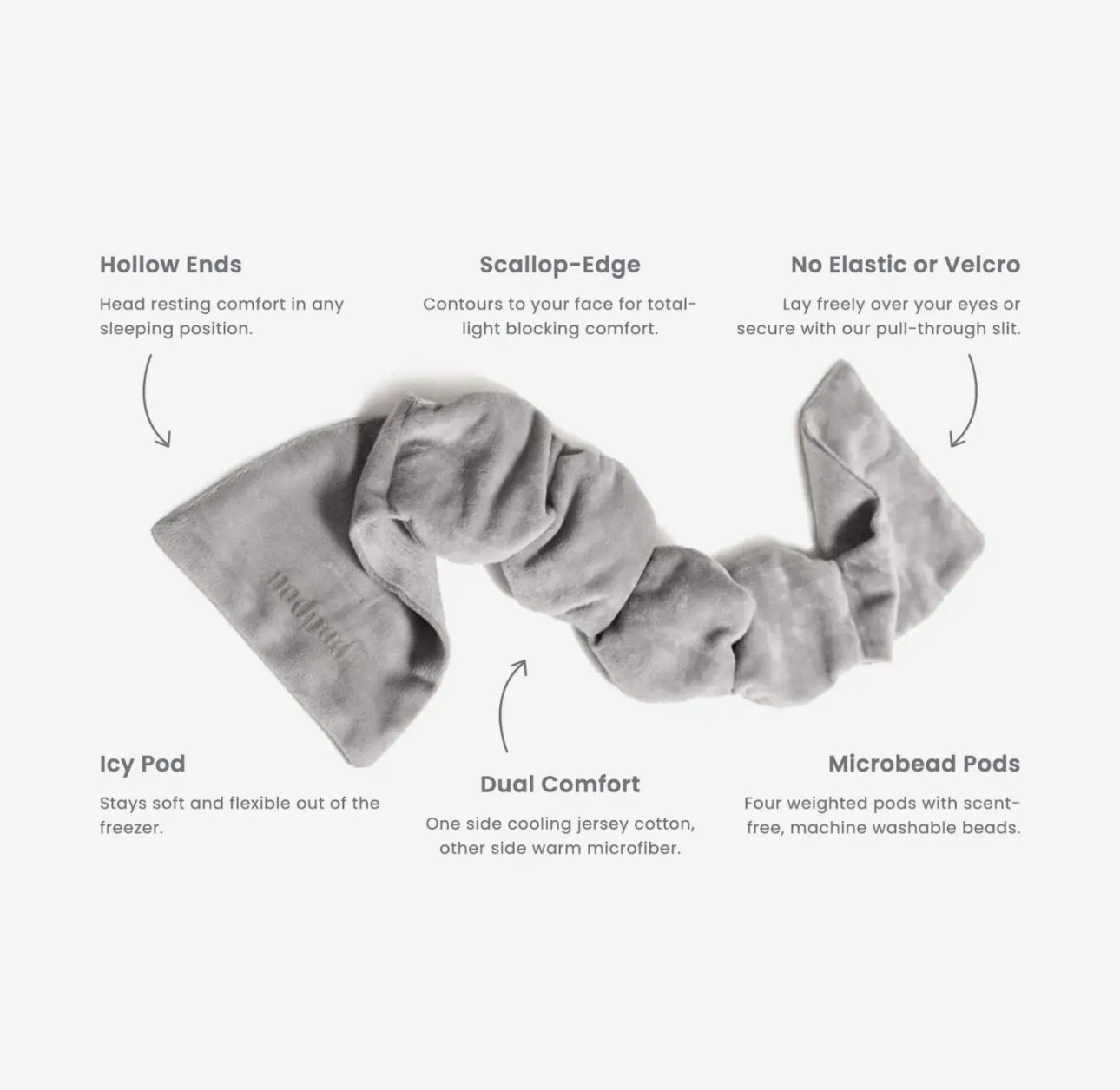
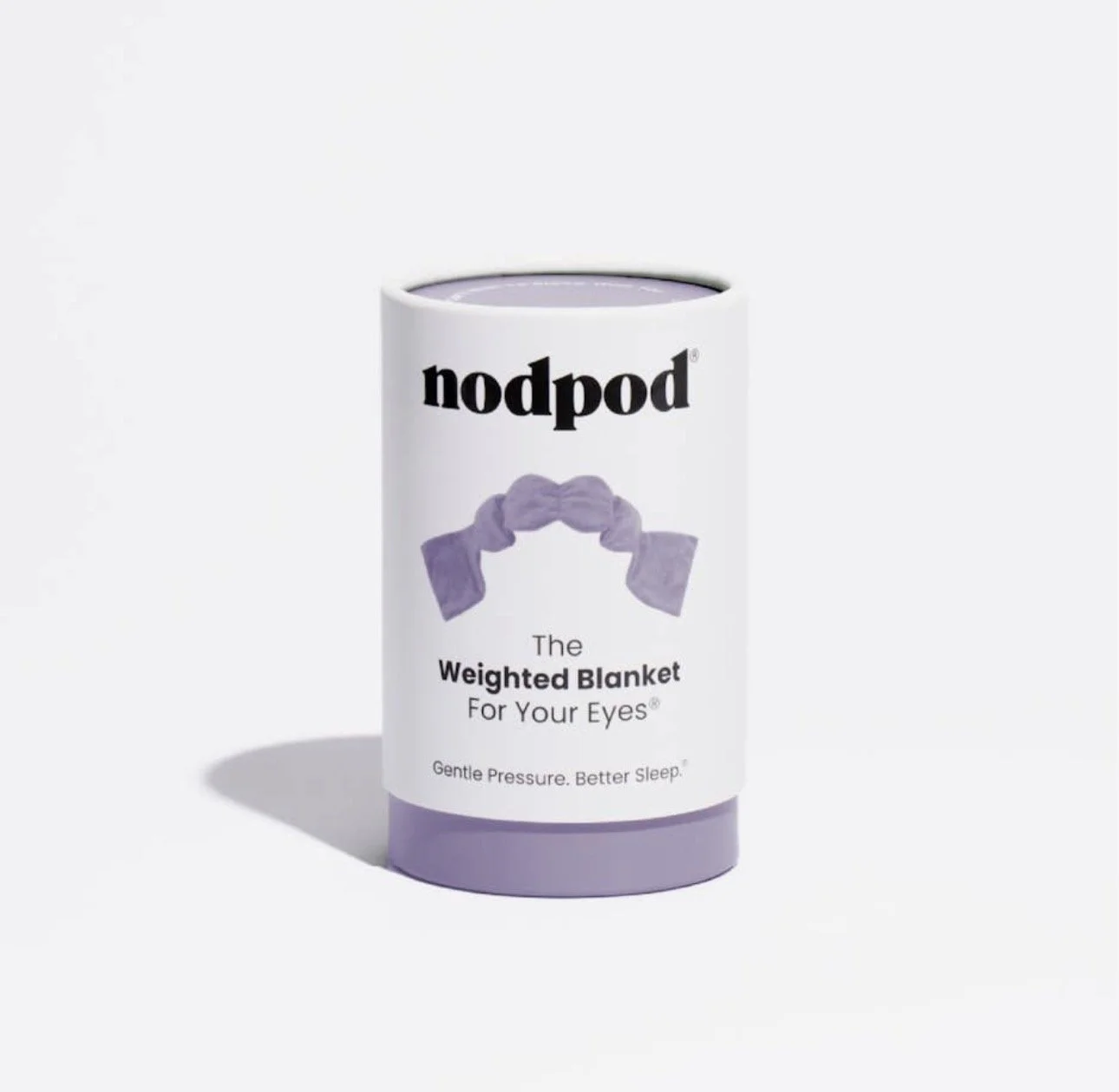
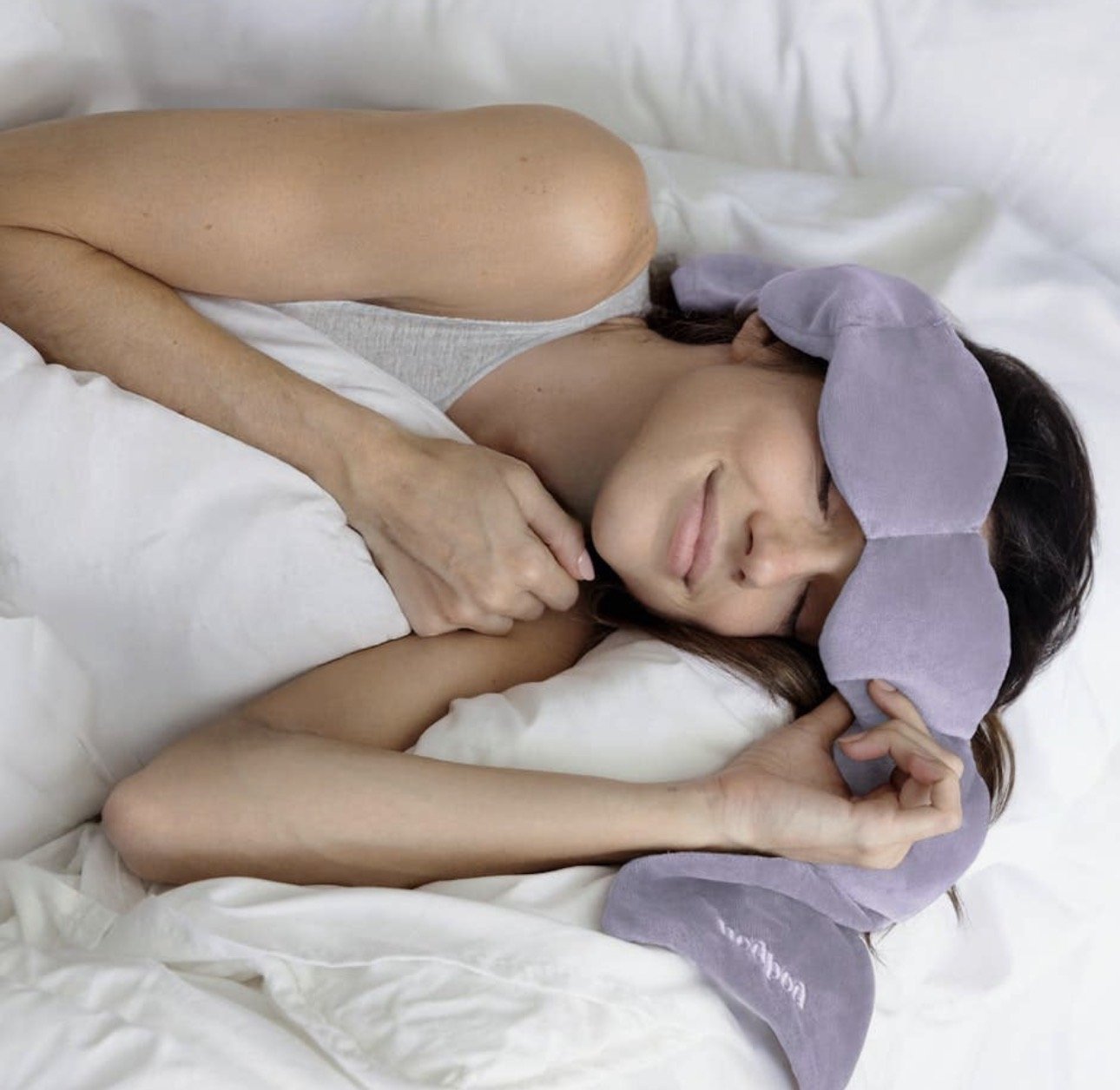
Raise your hand if you’re chasing a good night’s sleep? (We’ve raised both.) What if we told you there’s a simple weighted sleep mask on our shelves that’s an actual need not just a fashionable want. An eye mask that can manage migraine symptoms, help quiet an overthinking mind, tame anxiety and help you get deep sleep. And it’s comfortable for all sleep positions, with no annoying straps that tangle in your hair. It’s Nodpod.
If you’re powering through the days after sleepless nights, we see you. Let’s take a look at sleep and why a simple product, Nodpod, has a cult following.
We know the causes of poor sleep: screen-time and blue light, doom scrolling, chaos scheduling, or over-thinking. Can we change modern life? No. Can we create a ritual for good sleep hygiene, using what we know about our bodies and a few great products? Yes, we can. Let’s talk Sleep-care.
Traditionally, lack of sleep has been seen as an inconvenience or even a pillar of productivity. The “I’ll sleep when I’m dead” mindset. But modern neuroscience says poor sleep is actually poor brain health. A few nights of unrest doesn’t just give you dark circles and a breakout, it affects mood and memory, weight control, decision-making and also immunity.
Sleep isn’t just a blank slate of downtime. Deep sleep is an active biological process. It activates our brain’s glymphatic system—a specialized waste clearance network that clears metabolic waste products that accumulate throughout the day. Sleep is essentially our body’s housekeeping setting. Think of your brain singing “clean up, clean up, everybody clean up.” If you’re a science nerd, check out the glymphatic system and all the cool things it does while we’re sleeping. Trust us, the more you learn about sleep, the more you’ll manage it like you probably do water intake and steps in a day.
How about the day after a poor night’s rest? Sleepy and feeling off? It’s because you truly aren’t being your usual self—more brain health consequences. The amygdala gets more reactive, making us more irritable and anxious. More lizard, less charm. And our prefrontal cortex becomes a less effective manager which is why decision making and planning as well as impulse control seem harder when we’re tired. More of just do it rather than, “let me think about that for a minute.”
So what does Sleep-care look like? Let’s break it down into a useable list:
go to bed at a consistent time—even on weekends
get sunlight in the morning and reduce blue light in the evening
create a sleep friendly environment—very dark, quiet, cool and comfy
a calming bedtime routine—journal, mediate, burn candles
mind your caffeine
move during the day
manage stress
Good sleep rarely comes from one practice or one change. It’s a combination of choices, including products like Nodpod. Nodpod really looked at the sleep friendly environment requirements of sleep-care and said, we got this. By adding weight to a sleep mask, they have created a sleep tool that applies a deep touch pressure to receptors in the skin, shifting the nervous system from ‘fight and flight’ to ‘rest and digest’ (just like weighted blankets do). Nodpod sleep masks are filled with thousands of tiny BPA free beads that distribute gentle pressure around your eyes and temples. Dark as dark can be and a gentle velvety massage.
We wish you sweet dreams and restful sleep. And a Nodpod.