
The Best Low Maintenance Plants for San Diego Homes
We get asked to suggest good, low maintenance plants that are hard to kill all the time. Not plants that are easy to grow, plants that are hard to kill. We can rattle off the names of beautiful plants that thrive indoors in San Diego without hesitation and be told ‘Oh, I killed that one’ on repeat. If the list below reads like an inventory of the plants you’ve killed, read to the end. We have pretty solid advice on how to turn the plants on this list into a thriving indoor jungle.
Peace Lilies
Boston ferns
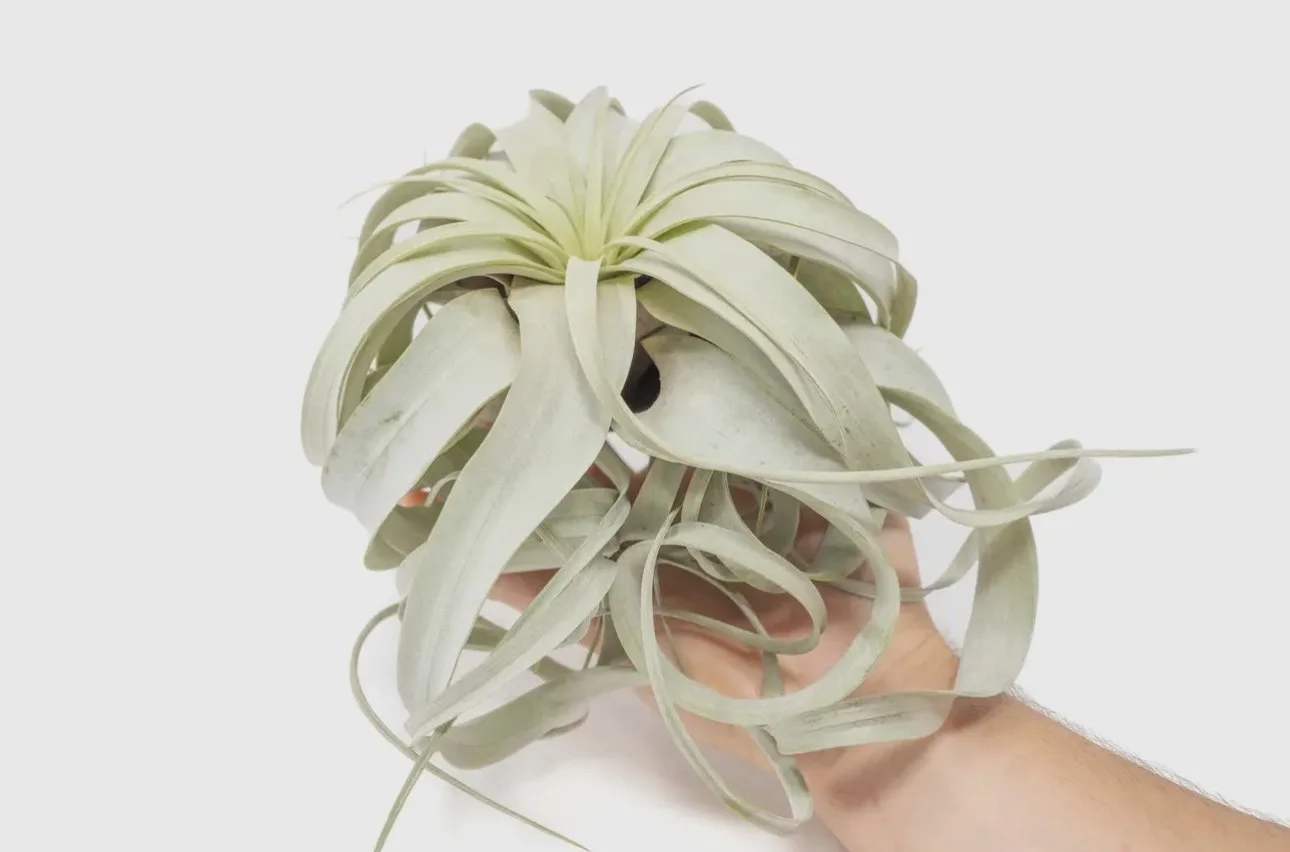
Staghorn ferns
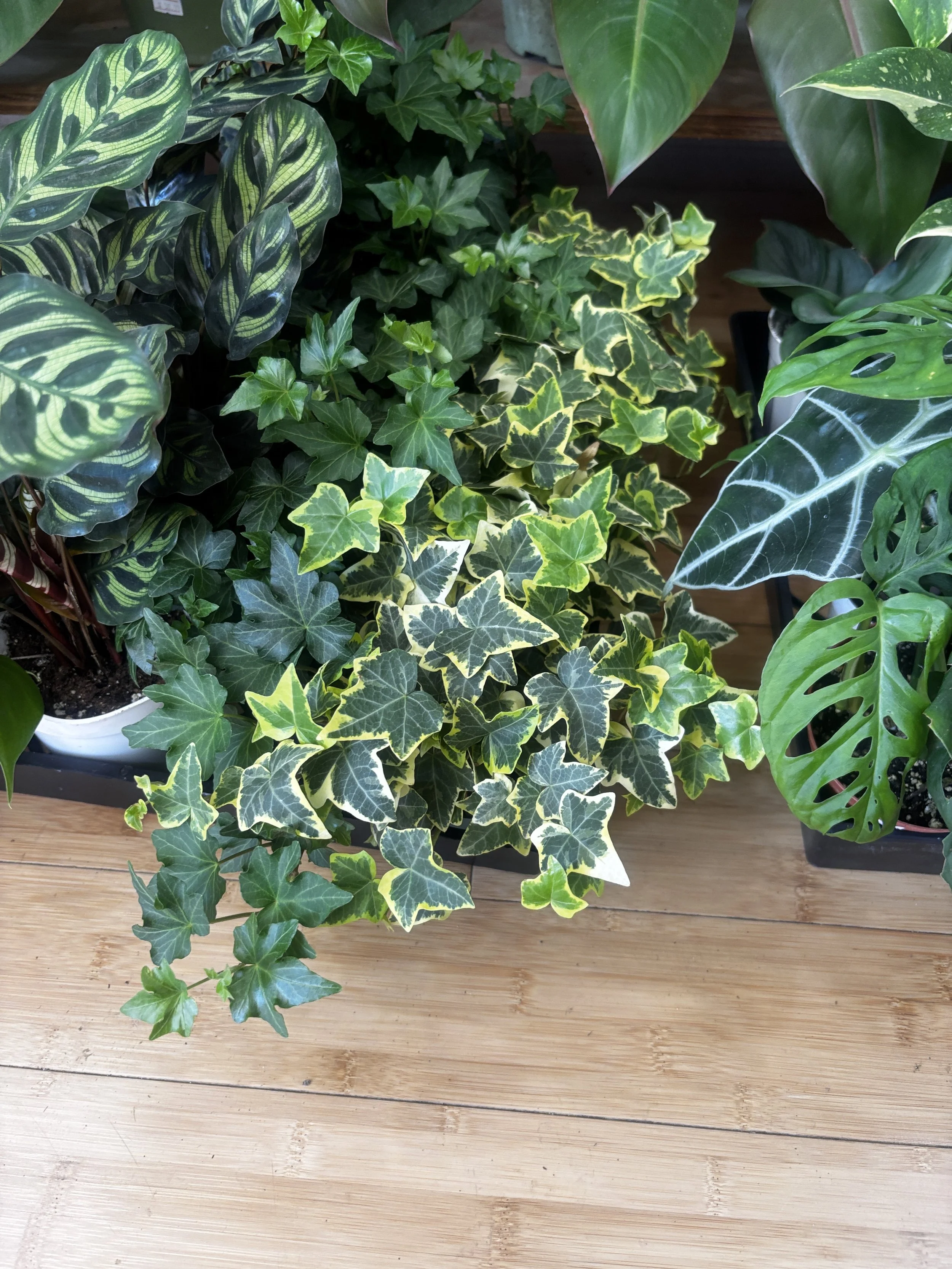
English Ivy
Aglaonemas
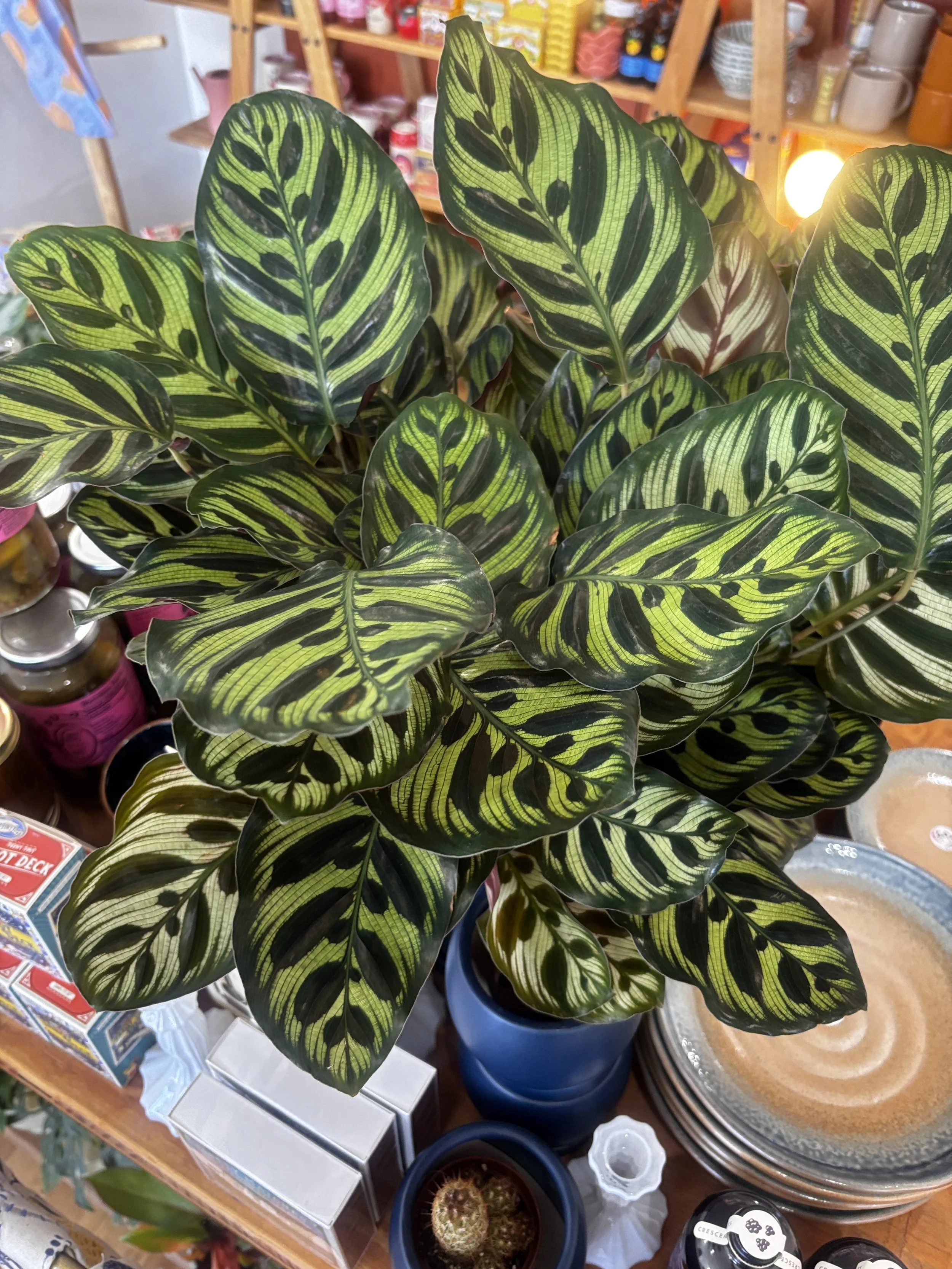
Calathea
Dracaenas
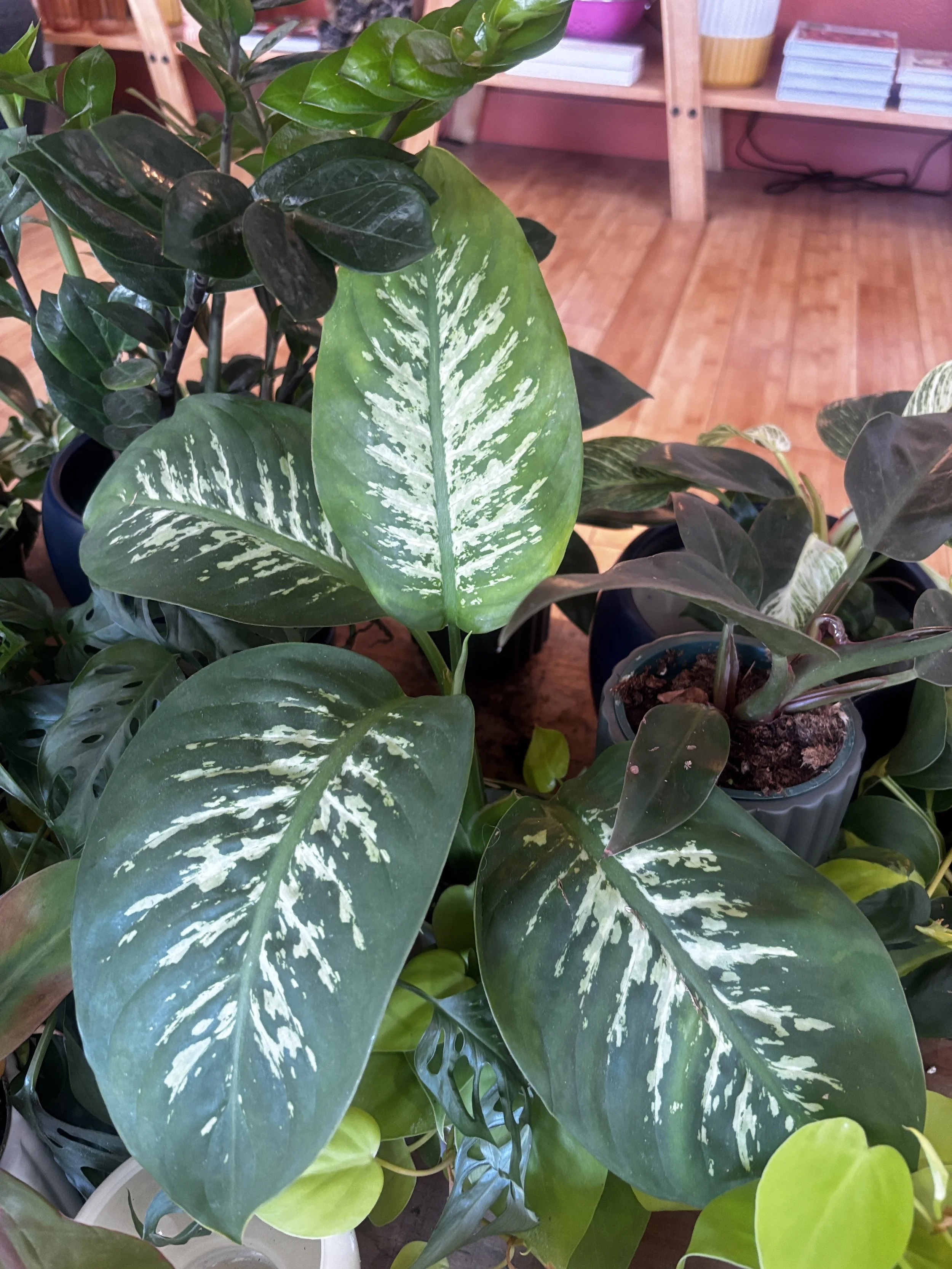
Dieffenbachias
most Philodendrons like Congo, Birkin, Cordatum, Squamiferum
ZZ plants
Spider plants
Hoyas
Scheffleras
Scindapsus
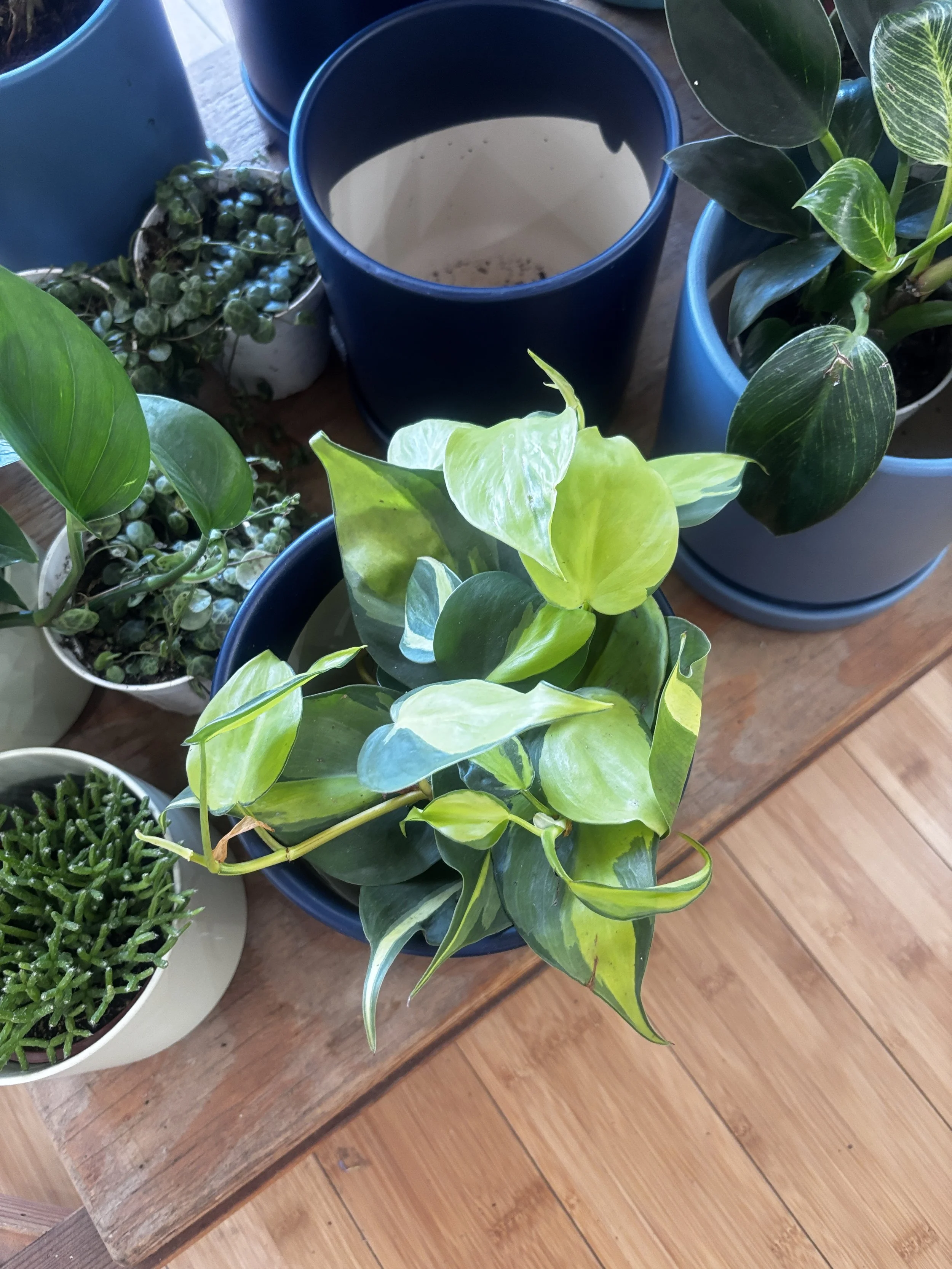
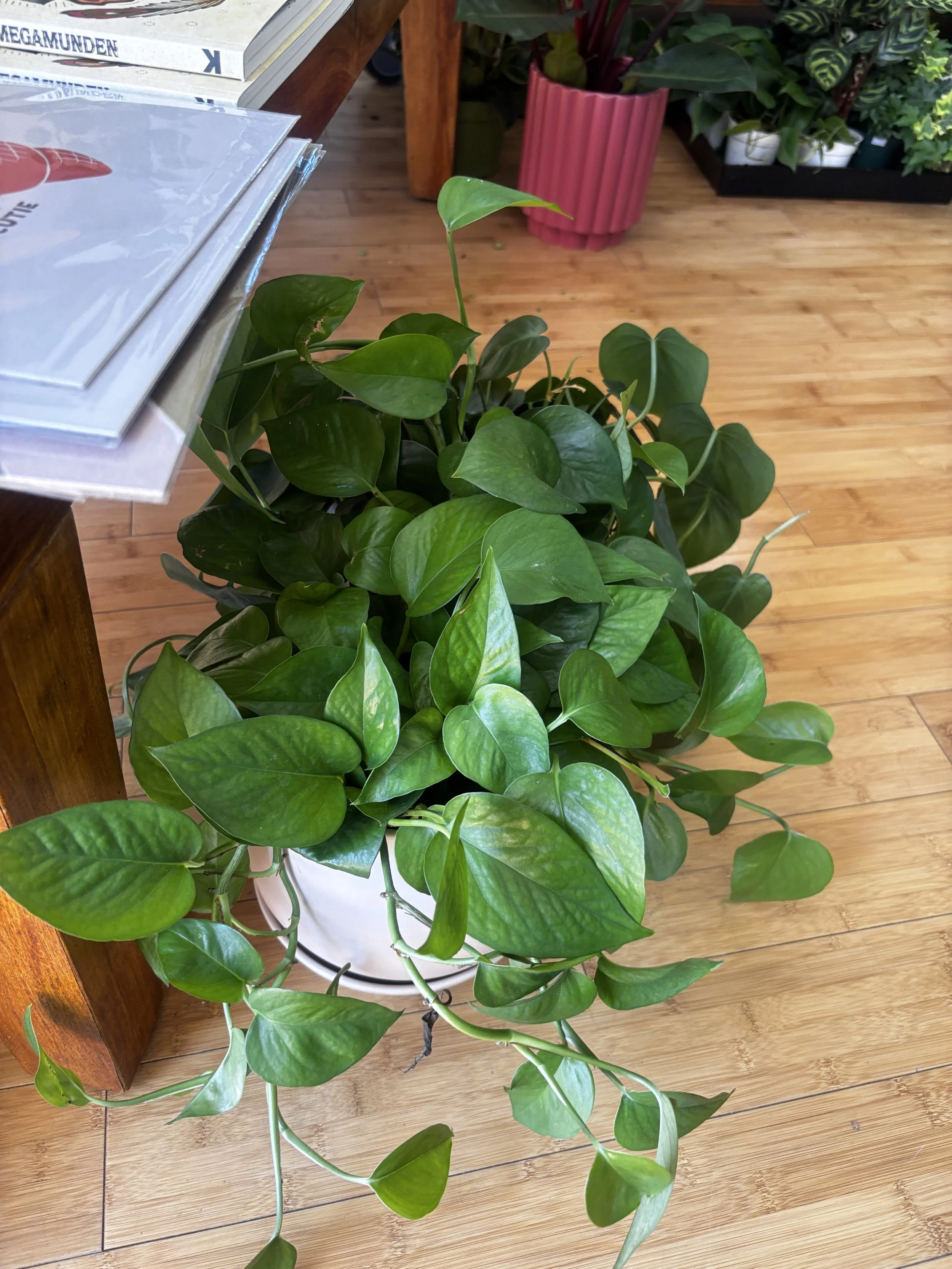
Pothos
FicusElastica
Cactus
Hoyas
Yucca
Snake plants
succulents
Pachypodium
Ponytail Palms
Crotons
Cordyline
Ficus Audrey
Ficus Triangularis
Bird of Paradise
Rhipsalis
In theory, by placing these plants in their appropriate light and watering them as needed, you won’t be a plant killer. Yet, time and time again, something goes wrong and another plant ends up in the compost bin. In our opinion, that something-that-goes-wrong has to more to do with how complicated your layout is than how good you are with plants. Your layout has to be as low maintenance as your plants.
To achieve a low maintenance plantscape, let’s look at your home as having two types of spaces: 1) high water availability spaces like kitchens and bathrooms and 2) low water availability spaces like bedrooms, offices and living rooms.
Put Peace Lilies, Boston ferns, Staghorn ferns, English Ivy, Aglaonemas and Calathea in high water availability areas like kitchens and bathrooms or bedrooms with en suite bathrooms. These plants need a lot of water and must stay moist. You’re going to water these plants 2 to 3 times per week, so let’s put them where you can water a wilted plant on impulse—in the vicinity of a sink or tub. Pop them in the sink, water, let them drain while you’re doing other things. Put them back in their decorative pots. Done. You can avoid damaging wilt and limit frequent drippy messes simply by having these plants a few steps from a sink. Of course, consider the light when you choose from this list. Ferns, Aglaonemas and English Ivy can tolerate low to bright indirect light. Calathea needs bright indirect only. None of these can tolerate direct sun.
Put plants like Dracaenas, Dieffenbachias, most Philodendrons, ZZ plants, Spider plants, Hoyas, Scheffleras*, Scindapsus, Pothos and most Ficus in low water availability spaces. All of these plants like to dry out in between waterings and they tend to group well because they’re on the same watering schedule. Typically, you’ll be watering these plant varieties one time per week at most. No need to water these on impulse or panic. Put a plastic liner in your decorative pots, grab your watering can and slowly water your plants until just a few drops accumulate in the plastic liner. If you don’t over do it, that little bit of water will be absorbed by the soil. Dracaenas, ZZ plants, Scheffleras, Pothos and Dieffenbachias can tolerate low to medium light. Philodendrons, Spider plants, Hoyas, Scindapsus and Ficus require bright indirect light.
The plants for hot, sunny low water spaces are Cactus, Hoyas, Yucca, Snake plants, succulents, Pachypodium and Ponytail Palms. These plants want sun on their leaves and a period of dryness and neglect before they get watered. When they’ve been bone dry for a week, add water. None of these plants will do well in high humidity areas in San Diego homes.
Crotons, Cordyline, Ficus Audrey, Ficus Triangularis, Scheffleras* and Bird of Paradise are perfectly suited for hot, sunny high water spaces like kitchens, bathrooms and bedrooms with en suite bathrooms. Morning sun is easiest on these plants but, typically, they can tolerate hot afternoon sun with proper watering, just watch for burning. Crotons and Cordylines should be watered every 2 to 3 days, keeping them moist at all times. Ficus Audrey, Ficus Triangularis, and Bird of Paradise should dry out 50% before watering, never consistently moist but never completely dry.
For hanging pots in morning sun or bright indirect light, choose low water need plants like Hoyas, Pothos, Philodendron cordatum, Spider plants, Rhipsalis and Senecio Fishhooks. Avoid standing water—water that collects in the bottom of a pot. Standing water in a pot or liner will be tolerated by the plants listed above so long as it’s such a small amount that the soil reabsorbs the standing water within a few hours. If you have full all-day sun, choose cactus, snake plants or succulents and never allow standing water to remain in the pot.
For hanging pots in medium or low light, choose plants like Staghorn ferns, Peace Lilies and English Ivy. They, too, can sit in very small amounts of standing water so long as it’s for hours not days.
Making new habits, like watering your plants, will stick if the task is simple, rewarding and supported by the environment. Let’s leave you with plant shop words to live by—if it needs a ton of water, grow it near a sink.
*Sceffleras are highly adaptable plants that are grown indoors and outdoors in San Diego in both full sun and low light, growing well in very moist and very dry conditions